
THE ART OF RETHINKING RICE HUSK

In architecture, materials are often chosen for what they already are wood, concrete, steel. Rarely for what they could become. As sustainability shifts from ideal to necessity, architects are increasingly invited to rethink overlooked resources.
One of these resources is rice husk.
Abundant, renewable, and often discarded, rice husk has long been understood as an agricultural byproduct. In regions like Indonesia, it is familiar yet rarely considered within architectural discourse. Today, it challenges how we define material value.
Rice Husk in Indonesia’s Agricultural Landscape
As one of the world’s largest rice producers, Indonesia generates millions of tons of rice husk each year. Traditionally burned, dumped, or downcycled, its role has remained peripheral.

Yet abundance itself is a form of potential. When architects and material researchers begin to question the concept of “waste,” rice husk emerges as a locally available resource with architectural relevance.
Beyond Waste: The Hidden Potential of Rice Husk
Rethinking rice husk is not only about sustainability. It is also about recognizing material intelligence already present in nature.
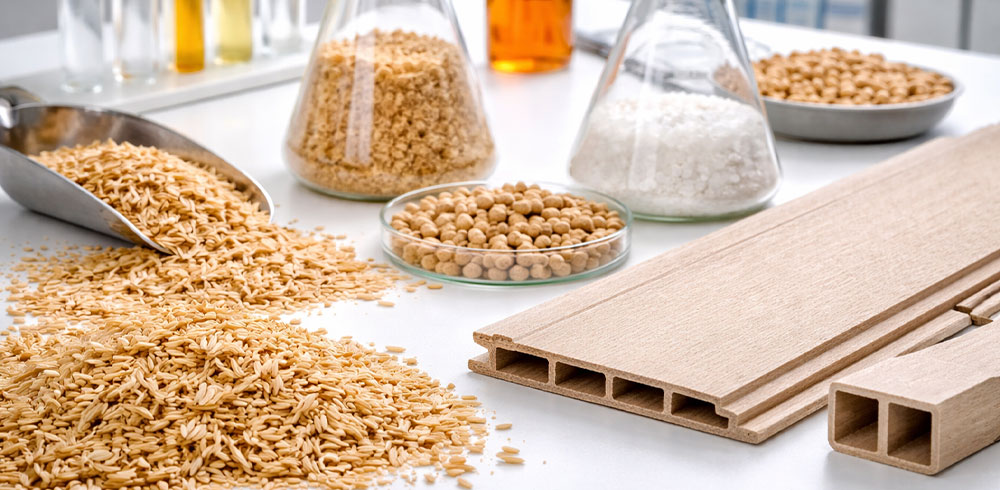
Rice husk contains high silica content and offers natural resistance to moisture and pests. These characteristics make it worthy of deeper exploration—not as an alternative out of compromise, but as a material with its own intrinsic logic.
A Shift in Material Mindset
The art of making begins before fabrication. It begins with intent.
By reframing how we see materials like rice husk, architects take the first step toward more responsible building practices—ones rooted in observation, questioning, and long-term thinking.
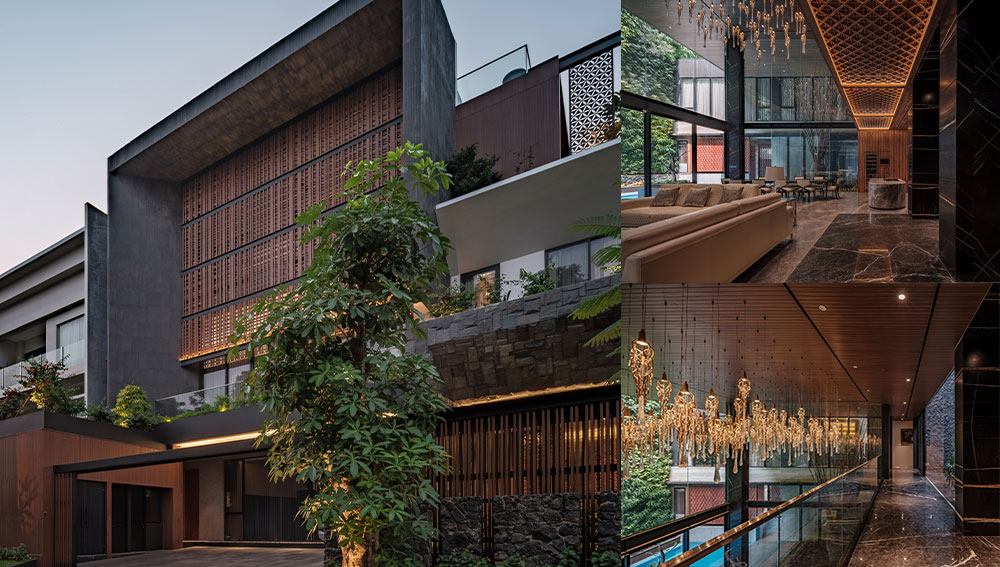
Before materials are made, they are reimagined. The future of building begins with how we choose to see what already exists.
Share Article
See other article

Top 3 Modern Interior Design Trends for Sustainable Homes
While we are approaching the end of 2024, here are some interior style recap you need to know this year!…

A New Era of Sustainable Construction and Durability
A New era of durable and sustainable construction has begun and ReHolz stands firm at the forefront of this movement….

Cost-Benefit Analysis: Is Sustainable Building Really Affordable?
Indonesia ranks as the world’s 6th largest contributor to greenhouse gas (GHG) emissions and has increased the most compared to…