
From Design Intent to Built Detail
Material selection is an important moment in architecture, but it is rarely the final decision. Once a material is specified, another process begins: translating drawings, proportions, details, and expectations into something that can be accurately built.
This is where material understanding needs to extend beyond specification.
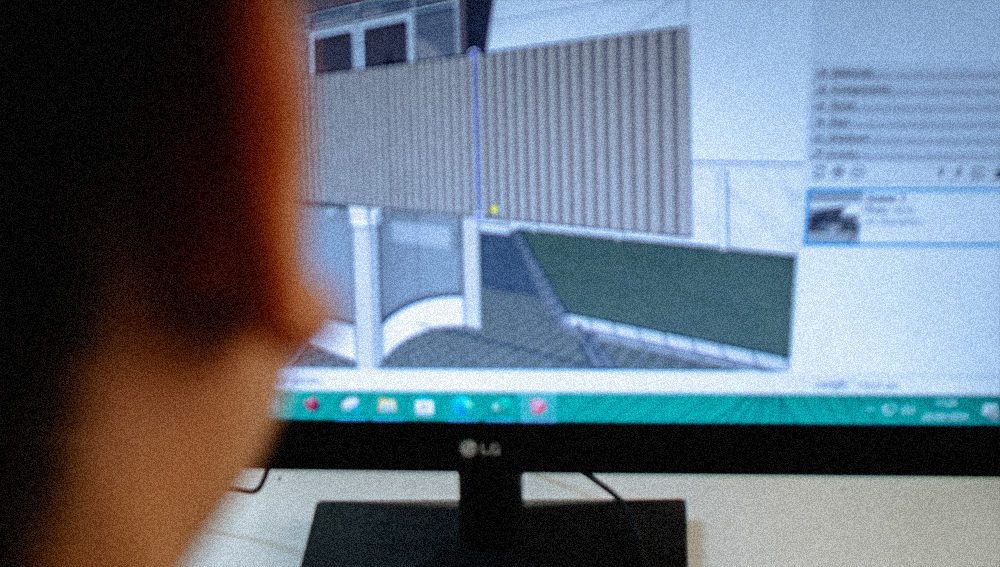
Elaborating the Design
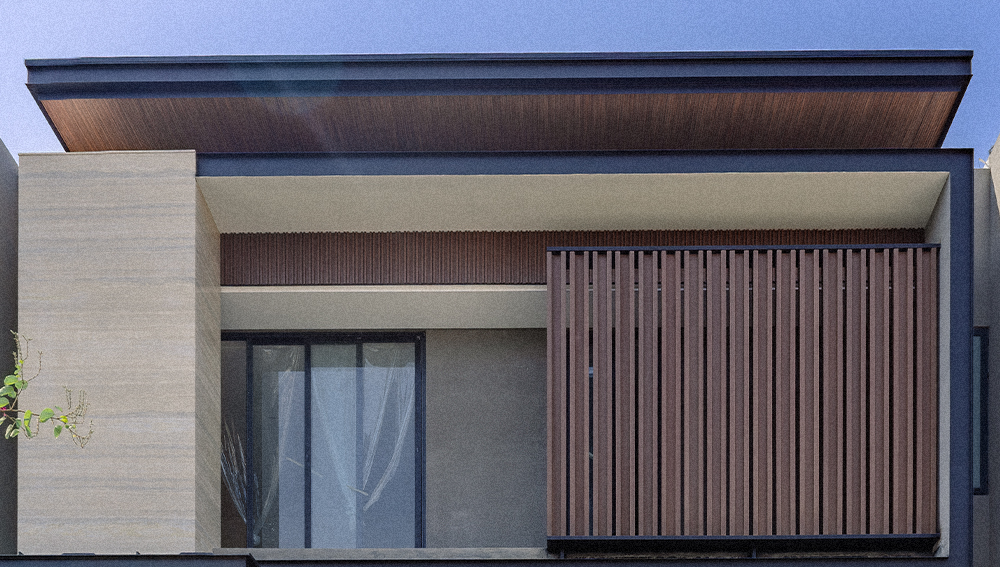
In a recent ReHolz project, the façade demonstrates how a famiiliar material system can be interpreted differently through detailing. ReHolz Universal Profiles are arranged to create a distinctive U-shaped visual composition, introducing depth, repetition, and rhythm across the building surface.
Rather than allowing the material to determine the architecture, the system is adapted to support the intended expression. Profile arrangement, supporting structure, spacing, alignment, and installation all become part of translating the original design into its built form.
The entrance continues this material language through a combination of ReHolz ceiling and cladding systems. By carrying a consistent material expression across the wall and overhead surfaces, the transition into the building becomes unified and seamless—turning the entryway into part of the overall architectural experience.
Beyond Material Spesification
These applications illustrate an important part of architectural material selection: the decision does not end at specification.
A material may meet the required appearance and performance on paper, but its success ultimately depends on how well it can respond to actual project conditions. Dimensions need to be resolved, intersections considered, supporting system coordinated, and installation methods adapted to what happens on site.
For ReHolz, this means understanding both the architect’s design intent and the project owner’s expectations, then elaborating those requirements through material, technical detailing, fabrication, and installation.
It is a process that connects the drawing with the people responsible for building it.
Completing the Architectural Intention
Good detailing is often most successful when it feels effortless in the completed architecture. Behind that simplicity, however, is a series of carefully coordinated decisions.
By working across material selection, system development, detailing, and site installation, the ReHolz team approaches each project as more than the delivery of a specified product. The objective is to understand what the design needs and determine how the material system can help achieve it.
Because specifying the right material is only the beginning.
A material decision is complete when the architectural intention is successfully built.
Share Article
See other article
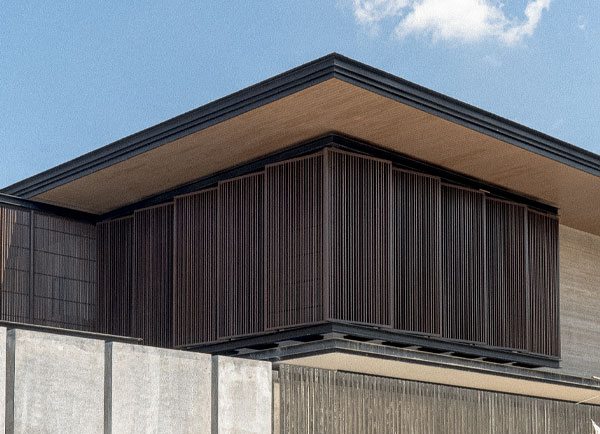
Facade Design in Contemporary Architecture II: A Built of Character
A facade is often the first layer through which architecture is experienced. Today, however, it is no longer simply a…

Material Basic: Beyond Wood
Why Rice Husk Composite is Redefining Exterior Materials Wood has long been one of architecture’s most enduring materials. Its natural…
Site Journal: More Than Surface
The Re-Holz Approach to Space Transformation, How Re-Holz Transforms Spaces There is a moment somewhere between the first site survey…