
Material Basic: Beyond Wood
Why Rice Husk Composite is Redefining Exterior Materials
Wood has long been one of architecture’s most enduring materials. Its natural warmth, texture, and timeless character have made it preferred choice for facades, decking, ceilings, and a wide range of exterior applications.
Today, however, architecture demands more than aesthetics. Buildings are expected to perform longer, require less maintenance, and respond to changing enviromental challenges. As a result, architects are rethinking not only how materials look, but how they perform throughout a building’s lifecycle. This shift has introduced a new generation of engineered materials, including rice husk composite.
From Agricultural Byproduct to Architectural Material
As one of the world’s largest rice—producing countries, Indonesia generates millions of tons of rice husk every year. Through material engineering, this agricultural byproduct can be transformed into a high—performance composite suitable for architectural applications.
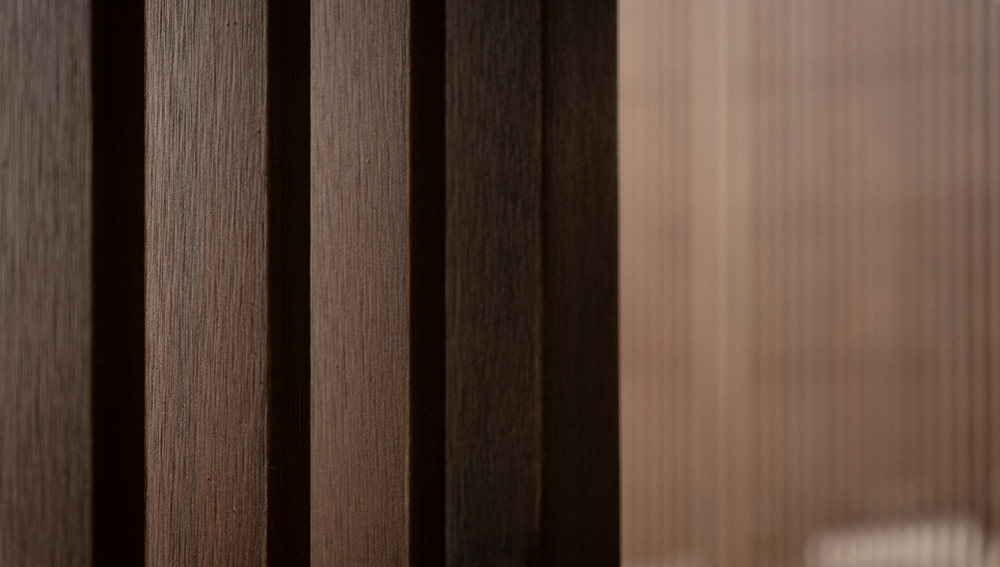
The engineering’s approach unlocks its potential as a valuable contruction material—reflecting a broader shift towards making better use of existing resources.
Why Rice Husk Composite ?
Exterior materials are constantly exposed to sunlight, rain, humidity, and changing temperatures. Long—term performance has therefore becomes just as important as visual appreance.
Rice husk composite offers several advantages for exterior architecture:
- Excellent dimensional stability under varying weather conditions.
- High resistance to moisture and termites.
- Lower maintenance throughout its service life.
- Consistent colour and surface quality over time.
- The warmth of natural materials combined with the reliability of engineered technology.
It is not intended to replace wood, but to provide an alternative that meets the evolving needs of contemporary architecture.
Designed for Tropical Architecture
Rice husk composite combines the natural appearance architects value with the resilience demanded by exterior applications. Making it suitable for facades, wall cladding, exterior ceilings, decking, screening elements, and landscape features.
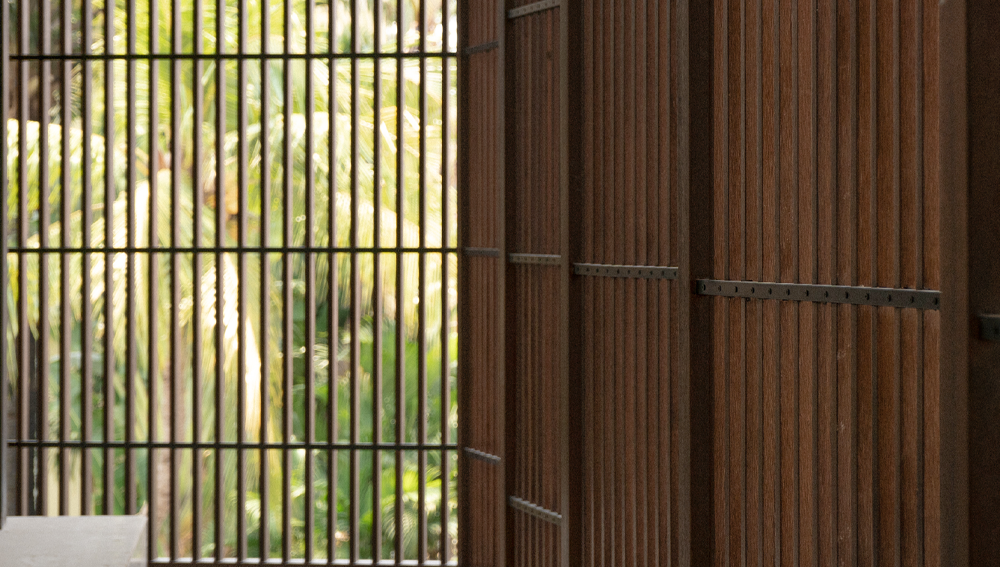
The result is greater design flexibility without compromising material performance.
Durability as a Sustainable Strategy
Sustainibility is about more than renewable resources—it is also about longevity. Durability is therefore an essential part of sustainbility.
Share Article
See other article
From Design Intent to Built Detail
Material selection is an important moment in architecture, but it is rarely the final decision. Once a material is specified,…
Facade Design in Contemporary Architecture II: A Built of Character
A facade is often the first layer through which architecture is experienced. Today, however, it is no longer simply a…
Site Journal: More Than Surface
The Re-Holz Approach to Space Transformation, How Re-Holz Transforms Spaces There is a moment somewhere between the first site survey…