
Facade Design in Contemporary Architecture II: A Built of Character
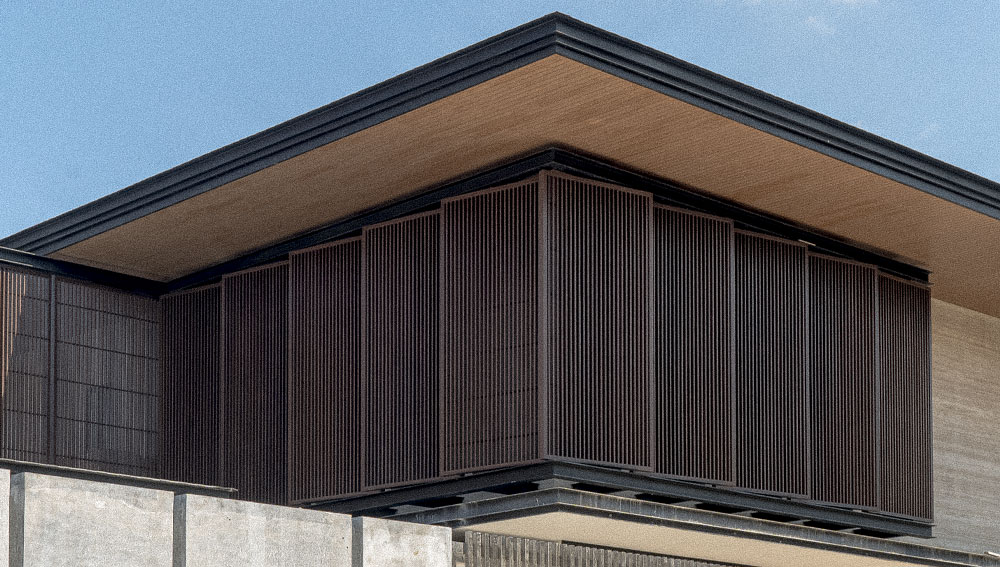
A facade is often the first layer through which architecture is experienced. Today, however, it is no longer simply a boundary between inside and outside. It has become a medium for architectural expression–shaping identity, responding to context, and creating a distinctive relationship between a building and its surroundings.
From Drawing to Architectural Character
Contemporary architecture has expanded what s facade can become. Advances in material technology and construction allow surface to be layered, curved, screened, tectures, and articulated in increasingly diverse ways.
Colour, texture, proportion, and rhythm can transform the same architectural from into very different expressions. A facade can create depth through shadow, establish visual continuity across a building, or become a defining element of its identity.
But the success of this expression depends on more than the facade material itself.
It depends on how material, system, detailing, and installation work together to translate an architectural idea into reality.
Bringing the Illustration to Life
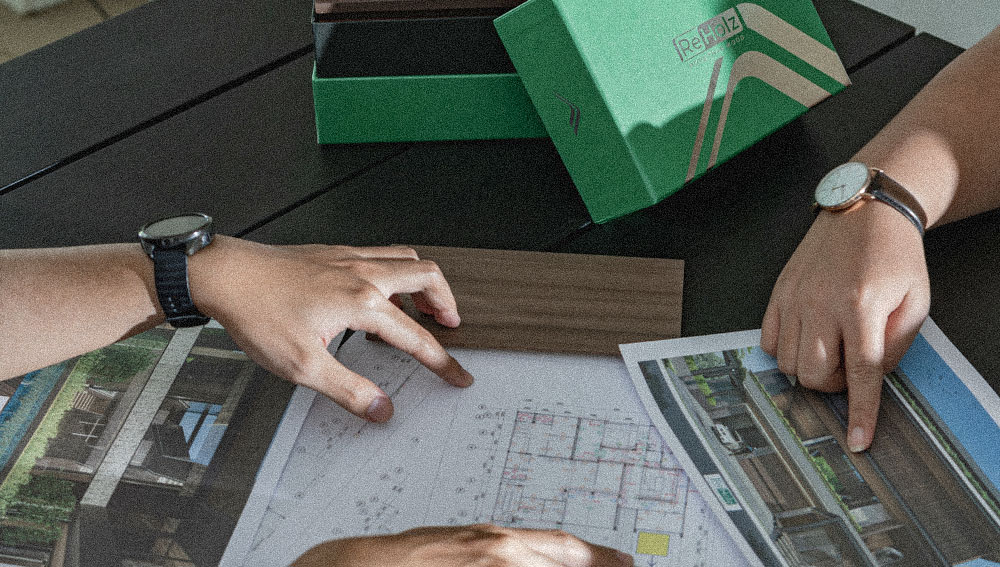
An architectural drawing represents an intention. The built facade is where that intention is tested.
ReHolz approaches this process as a high-performance architectural finishing system derived from rice husk, combining material selection, profiles, supporting systems, detailing, fabrication, and installation.
This integrated approach allows architects to explore contemporary facade design through different colours, textures, profiles, and configurations while maintaining coordination from design development to site execution.
The result is not simply a surface applied to a building, but a comprehensive system designed help bring the architectural illustration to life.
Character That Extends Beyond Completion
A facade continues to be experienced long after construction. Light changes, surroundings evolve, and materials respond their environment.
For this reason, contemporary facade design increasingly considers performance alongside appreance: how a material behaves, how it can be maintained, and whether its architectural charecter can remain relevant over time.
Material selection therefore becomes part of the design itselft.
ReHolz contributes to this layer by bringing together material, system, and installation–helping transform architectural intent from a drawing into a built expression.
Because a facade is not only about how architecture looks when completed.
It is about how its character continues to be experiences over time.
Share Article
See other article
From Design Intent to Built Detail
Material selection is an important moment in architecture, but it is rarely the final decision. Once a material is specified,…
Material Basic: Beyond Wood
Why Rice Husk Composite is Redefining Exterior Materials Wood has long been one of architecture’s most enduring materials. Its natural…
Site Journal: More Than Surface
The Re-Holz Approach to Space Transformation, How Re-Holz Transforms Spaces There is a moment somewhere between the first site survey…