
The Function of Color in Architecture Design
Color is an element shaping perception, defines experience and influences how things are understood overtime. It plays a very important part in aesthetic decisions, especially the design process. Color is not surface, it is a spatial instrument.

Beyond Aesthetics : Color as Spatial Definition
Color has the ability to articulate space without altering form. It can emphasize proportion, highlight structure, or dissolve boundaries between elements. A mute palette may create calm continuity, while contrast can define hierarchy and direction.

In this sense, color works alongside geometry and material guiding how users read and move through a space. It becomes part of the architectural language, not an addition to it.
Understanding the Color Spectrum in Architecture
Within architecture design, color is typically understood through several broad categories each carrying different spatial and emotional implications.
- Neutral tones – such as whites, greys, and earth-based hues provide balance and longevity. They are often used as a base to anchor a design, allowing form and material to take precedence.
- Warm tones – Including reds, terracottas, and ochres tend to create a sense of intimacy and groundedness. These colors can visually bring surfaces closer, making spaces fell more enclosed and human-scales.
- Cool tones – Such as blues and greens introduce a sense of openness and calm. They often recede visually, making spaces feel lighter and more expansive.
- Natural material tones – Derived from wood, stone, or composite materials offer depth and subtle variation. These tones evolve over time, responding to light and weather, and are often associated with authenticity and permanence.
Rather than choosing colors in isolation, architects work with these categories to shape atmosphere, rhythm, and spatial hierarchy.
Color Trends in 2026 : Toward Subtlety and Material Authenticy
The direction of color in 2026 reflects a shift away from bold, short-lived statements toward timeless, material-drived palettes.
There is a growing preference for :
- Desaturated and muted tones, offering visual calm and longevity.
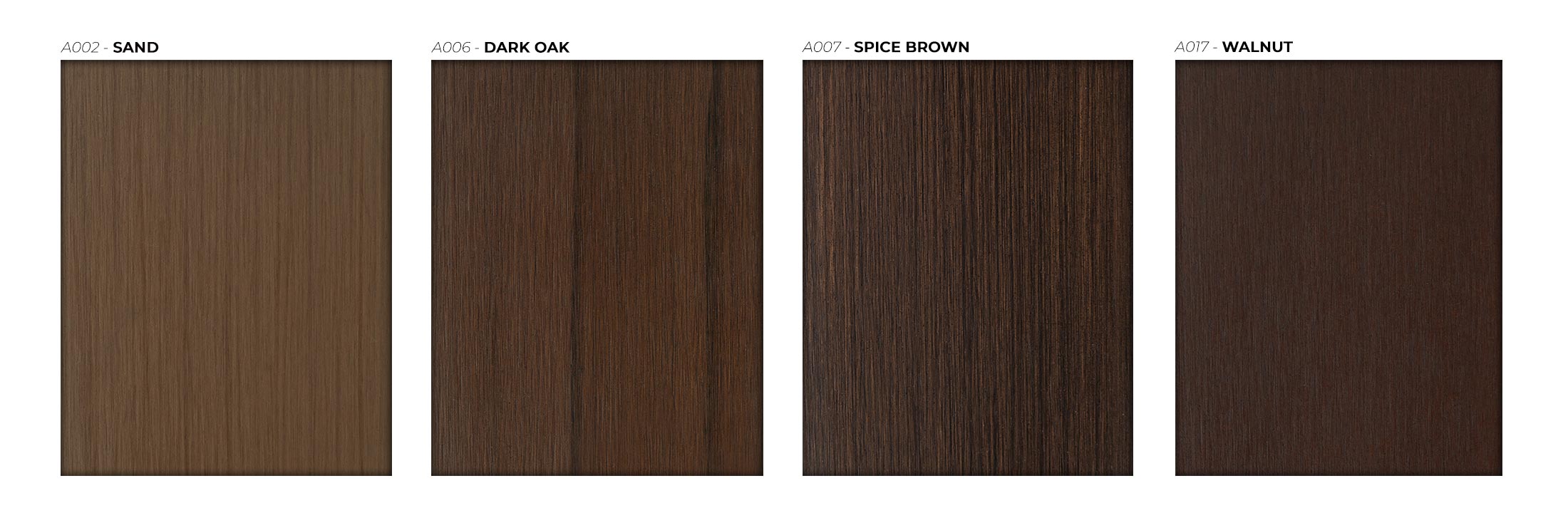
Color of ReHolz - Earth-inspired palettes, reflecting a connection to nature and locality.
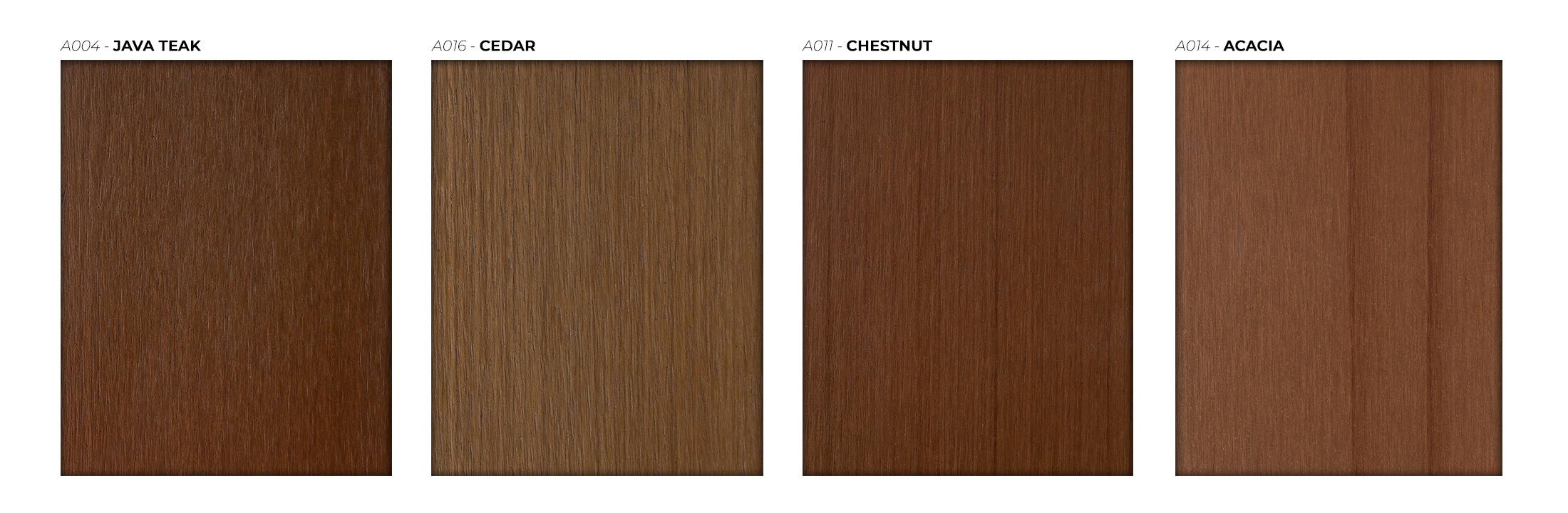
Color of ReHolz - Layered neutrals, creating depth without visual noise.
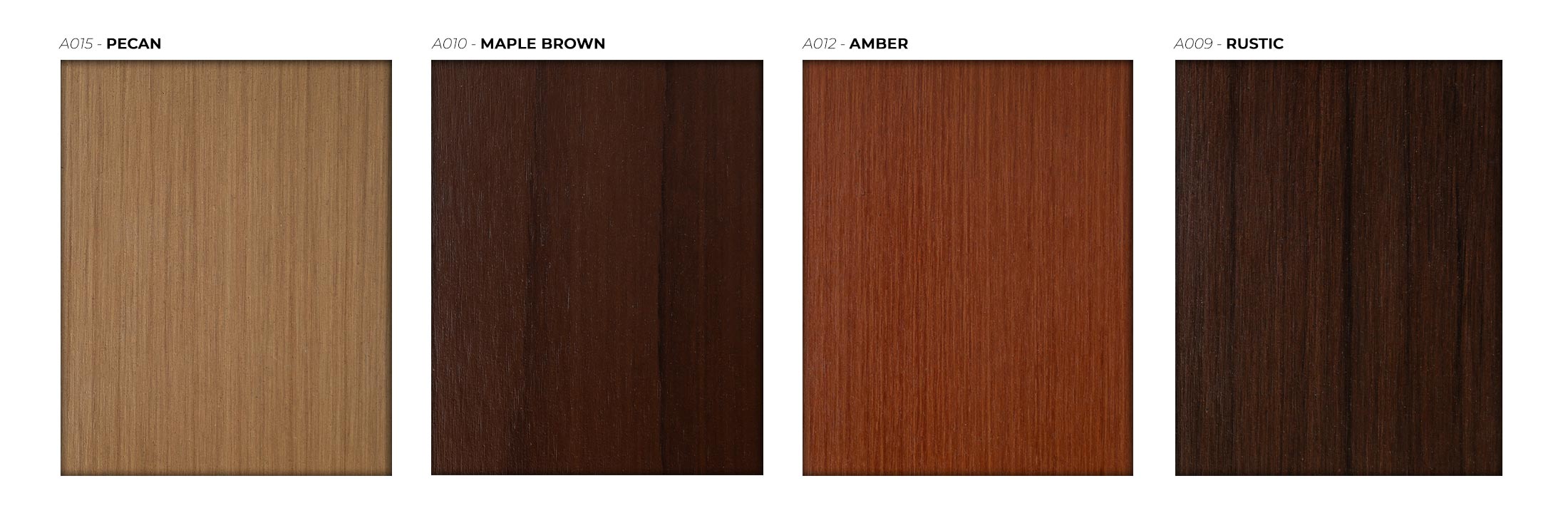
Color of ReHolz - Material-led colors, where tone emerges from the material it self rather than applied finishes.
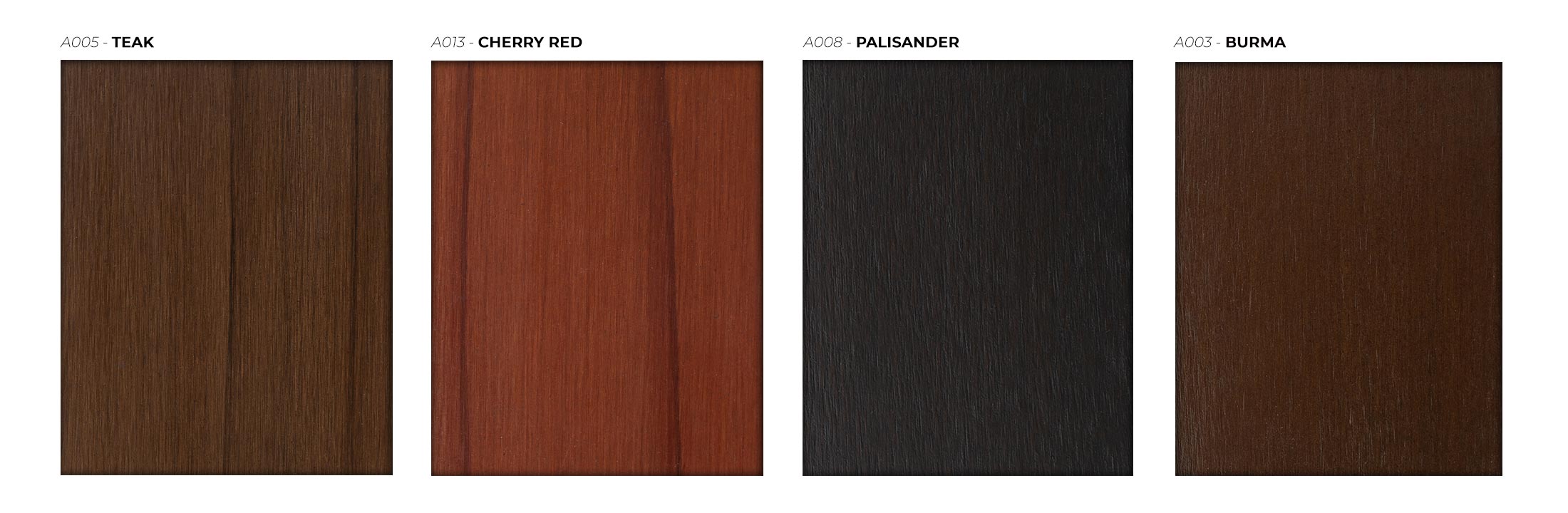
Color of ReHolz
In both residential and commercial architecture, color is increasingly used to support the atmosphere rather than dominate it. The emphasis is on creating spaces that feel composed, adaptable, and relevant over time.
Choosing Color in Architectural Design
Selecting color for building is a process that extends beyond visual preference. It requires alignment between design intent, context, and performance.
Several key considerations guide this process :
Context and environment
Color should respond to its surroundings urban density, natural landscape, and cultural context all influence how a building is perceived.
Light and climate
In tropical environments, color interacts strongly woth sunlight and humidity. Lighter tones may reduce heat absorption, while deeper tones can enhance contrast and shadow.
Material behavior over time
Color must remain stable. Fading, discoloration, or inconsistency can compromise architectural intent. Materials that carry color inherently tend to age more gracefully.
Scale and proportion
Color can visually alter scale. Large surfaces often benefit from restrained tones, while accents can define focal points or transitions.
Longevity over trend
Short-term trends may quickly lose relevance. A well-considered palette supports architecture across decades, not seadons.
Color as a Long-Term Architectural Decision
As architectures moves toward greater responsibility and durability, color must be approached with the same discipline as structure and material. It should not to follow trends alone, but respond to context, climate, and intended lifespan. A well-considered color strategy does not demand attention. it supports clarity, reinforces identity, and allows architecture to age with dignity.
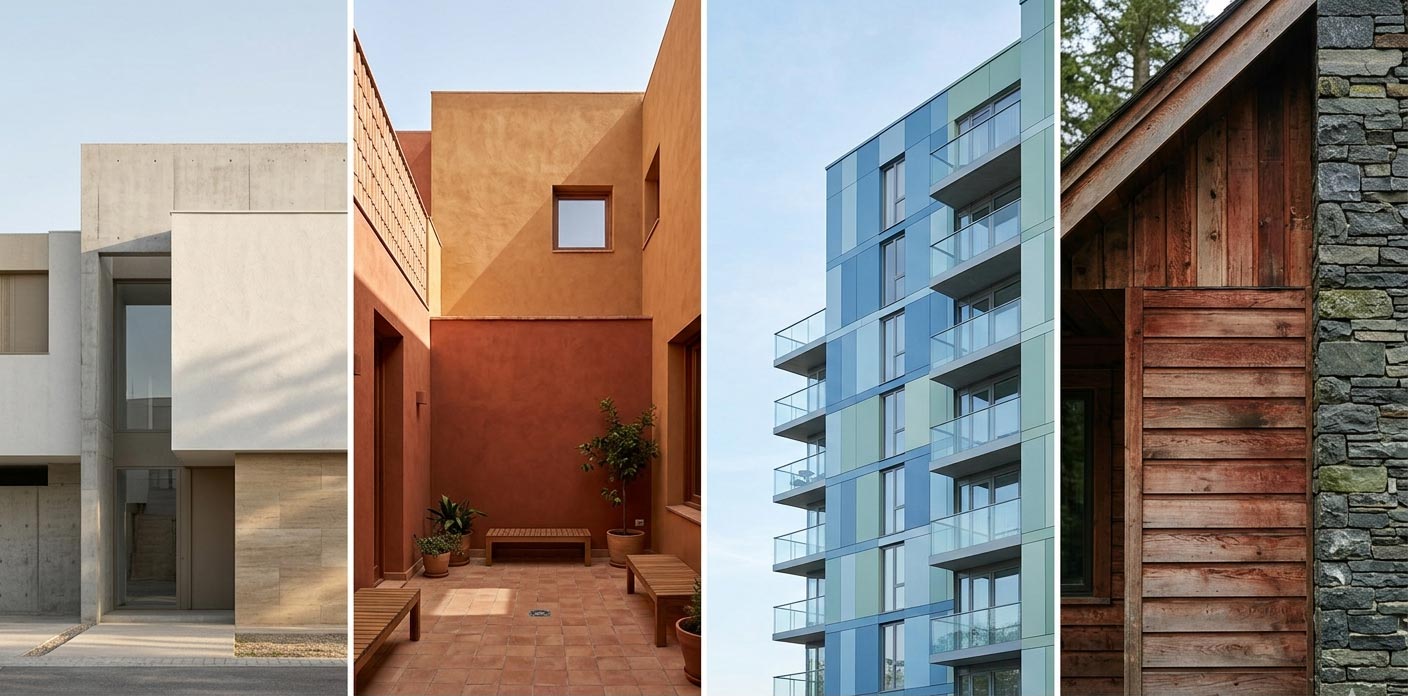
Within this perspective, material systems that offer an extensive and controlled color spectrum allow architects greater flexibility-supporting a range of tones, atmospheres, and design intentions without compromising performance.
ReHolz, through its material-based color development, reflects this approach-offering a broad palette that enables different architectural expressions while maintaining consistency, durability, and long-term relevance. The water based color finishes enable different pigments to be blended and meticulously crafted to create different hues and tones, suitable to complement extensive architectural finishes.
Color in architecture is not what we notice first. It is what remains-quietly shaping how a space is experienced and remembered over time.
Share Article
See other article
From Design Intent to Built Detail
Material selection is an important moment in architecture, but it is rarely the final decision. Once a material is specified,…
Facade Design in Contemporary Architecture II: A Built of Character
A facade is often the first layer through which architecture is experienced. Today, however, it is no longer simply a…

Material Basic: Beyond Wood
Why Rice Husk Composite is Redefining Exterior Materials Wood has long been one of architecture’s most enduring materials. Its natural…