
Facade Design in Contemporary Architecture : From Surface to System
In architecture, facade design has always played a defining role. Historically, the architectural facade served as a visual marker expressing identity, power, and craftsmanship. From classical ornamentation to modernist restraint, the facade evolved alongside architectural thinking, shifting from decoration toward clarity and function.
Today, facade architecture has moved beyond appreance. In contemporary buildings, the facade is a system one that responds to climate, regulates light and heat, and supports sustainbility goals. Especially in tropical architecture, facade design must balance environmental performance with durability and material intelligence. A well-designed facade is no longer static, it adapts, protects, and endures.
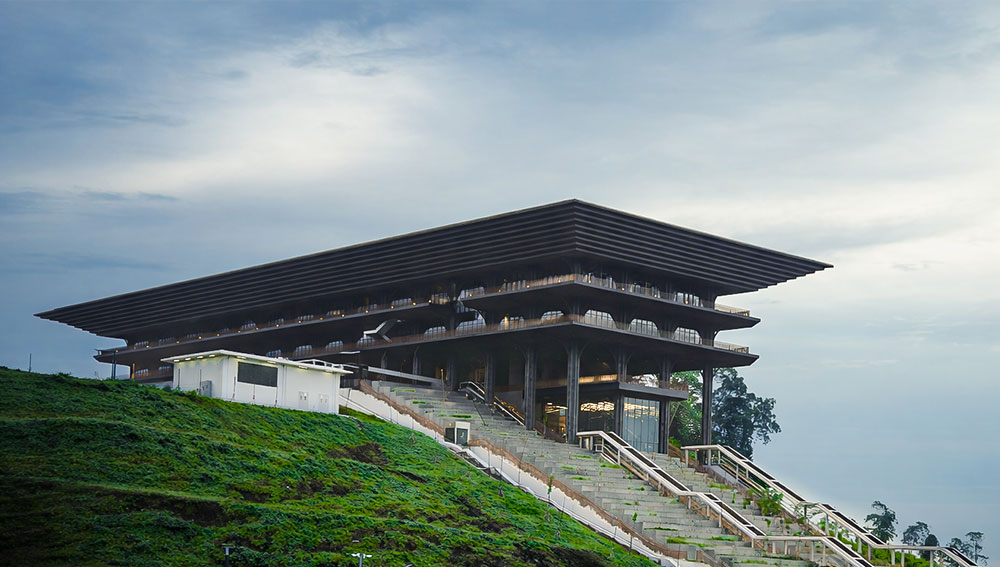
This approach is evident in the Vice President Palace in IKN, Indonesia. A civic project rooted in concept of Huma Bentang Umai, inspired by the Nusantara house as a shelter, openness, and collective life. Rather than relying on ornament, the architecture expresses identity through proportion, rhythm, and material continuity allowing the facade to become an integral part of the building’s logic.
Within this project, ReHolz contributes through its facade system, developed from ceiling applications and universal profiles that extend seamlessly to the building exterior. The material is used not as a decorative layer, but as a sustainable facade material that supports consistency between interior and exterior spaces. In a tropical climate, such facade systems must perform quietly resisting weather, aging gracefully, and maintaining architectural clarity over time.
The result is an architectural facade that prioritized performance and longevity. It responds to enviromantal conditions while reinforcing the building’s civic presence through restraint and coherence. Here, facade design becomes a tool for long-term value, rather than short-term visual impact.
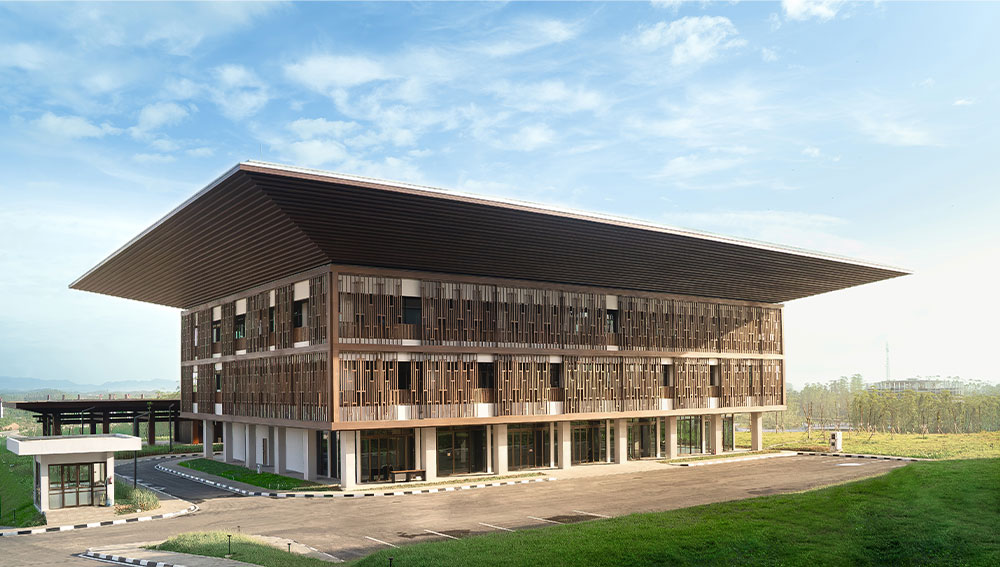
Looking forward, the future of facade design will be shaped by sustainbility, adaptability, and responsible material selection. Architects and designers will increasingly focus on facade materials that offer durability, low environmental impact, and flexibility across the building lifecycle. In this context, innovative facade systems are not about visual statements alone, but about supporting architecture that is resilient an relevant.
In contemporary architecture, the facade is no longer simply what a building shows to the city. It is how architecture performs, protects, and represents its values over time.
A thoughtful facade does not seek attention-it earn longevity.
Share Article
See other article
The Function of Color in Architecture Design
Color is an element shaping perception, defines experience and influences how things are understood overtime. It plays a very important…
ReHolz in Perspective : Reflecting on Architecture, Movement, and Material in 2025
Throughout 2025, ReHolz participated in a series of architectural forums across Indonesia engaging in conversations that go beyond products and…

THE ART OF RETHINKING RICE HUSK
In architecture, materials are often chosen for what they already are wood, concrete, steel. Rarely for what they could become….