material for the future

material for the future
Facade Design in Contemporary Architecture III: Design for the Tropics
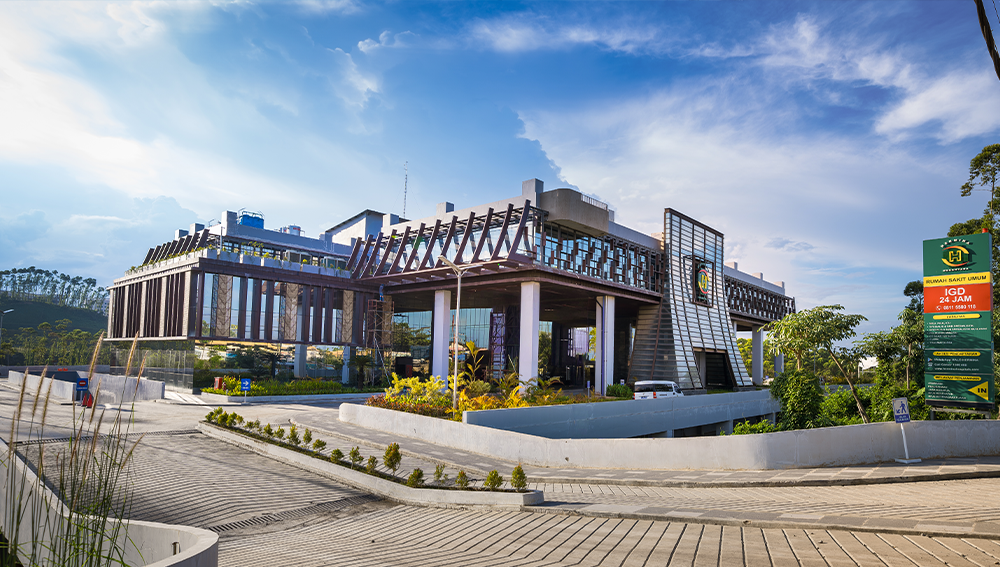
Material Flexibility, Durability, and Architectural Expression
Designing a façade in a tropical climate requires more than creating a distinctive architectural expression. Constant exposure to sunlight, heavy rainfall, and humidity demands materials that balance design flexibility with long-term durability.
Material Selection for Tropical Architecture
Tropical architecture requires facade materials that respond to environmental conditions without limiting architectural creativity.
Dimensional stability, weather resistance, and maintenance requirements are important considerations. Equally essential is the material’s adaptability to different geometries, configurations, and design expressions.
ReHolz addresses these requirements through a high-performance architectural finishing system derived from rice husk. Its adaptable profiles, customisable finishes, and engineered material properties allow architects to explore distinctive façade compositions while considering the demands of tropical environments.
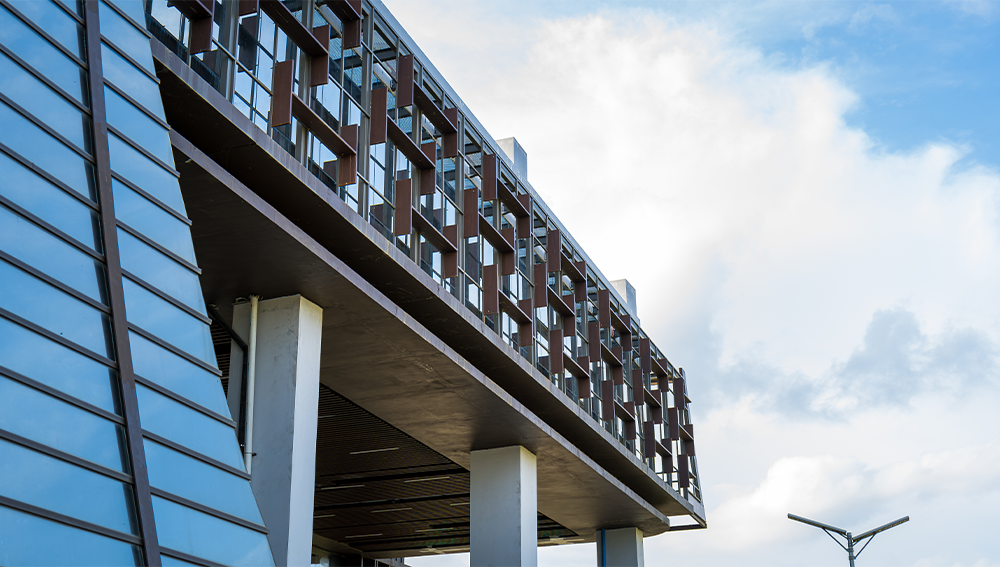
Hermina Hospital IKN: Where Flexibility Meets Design
The Hermina Hospital project in Indonesia’s new capital, Ibu Kota Nusantara (IKN) demonstrates how material flexibility can support a unique architectural identity.
Inspired by the letter “H” the hospital’s facade incorporates curved architectural elements that create a distinctive visual composition.
Realising this design required more than selecting a suitable material. The curved geometry called for careful consideration of profile configuration, supporting structures, detailing, and installation.
Through its adaptable facade system, ReHolz helped translate the architectural concept into a buildable expression, demonstrating how material flexibility can accommodate unconventional designs.
Design to Perform, Built to Last
In tropical environments, a facade must continue performing long after construction is complete.
ReHolz combines design adaptability with material properties intended for exterior applications, including dimensional stability and resistance to moisture and weather exposure.
For projects such as Hermina Hospital IKN, this balance allows architectural creativity to be supported by technical considerations and long-term material performance.
A flexible material expands architectural possibilities. A durable material helps sustain them.
Ultimately, selecting the right facade material is about more than achieving the desired appearance.
It is about ensuring that architectural expression and material performance continues to work together over time.
Share Article
See other article
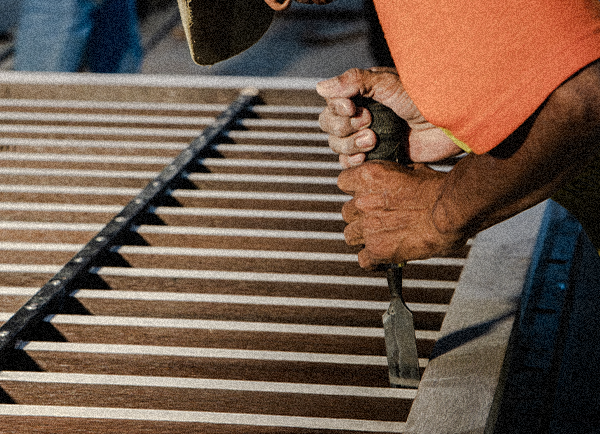
FROM MATERIAL TO MAKING
Design Poossibilities and Advantages of Rice Husk From Rethought Material to Design Opportunity Once rice husk is redefined as a…
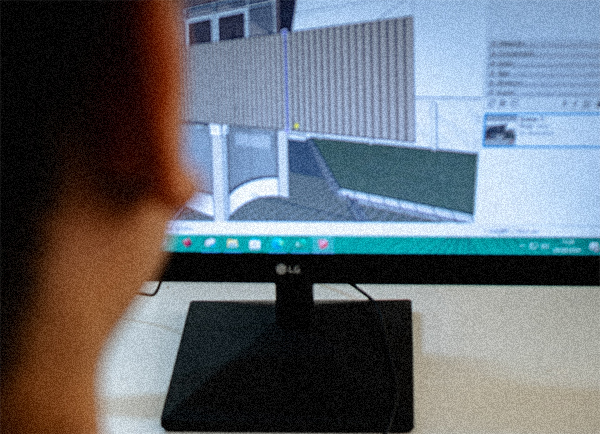
From Design Intent to Built Detail
Material selection is an important moment in architecture, but it is rarely the final decision. Once a material is specified,…
Facade Design in Contemporary Architecture II: A Built of Character
A facade is often the first layer through which architecture is experienced. Today, however, it is no longer simply a…