
Engineered for Surface : Understanding ReHolz as a Finishing System
Material Performance Beyond Structure
In architecture, not all materials are responsible for carrying loads. Some are tasked with something equally critical defining how a building is perceived, experienced, and sustained over time.
ReHolz operates within this domain.
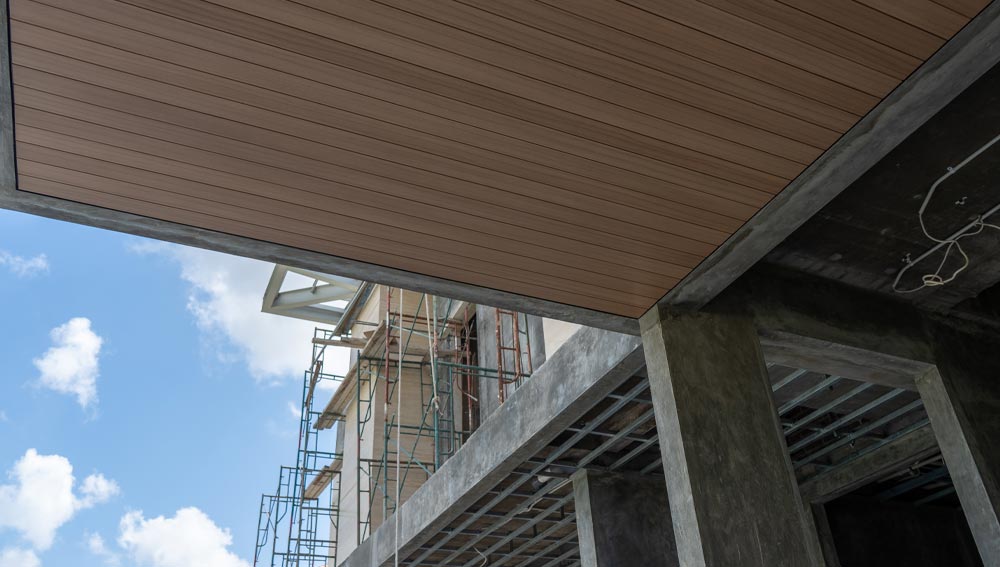
As a non-structural architectural finishing material, ReHolz is not designed to support the building’s primary load. Instead, it performs as a surface system one that shapes spatial identity, protects underlying structures, and contributes to the long-term performance of a built environment.
Its role is not structural, but it is far from superficial.
Defining Non-Structural in Architecture
Non-structural elements are often misunderstood as secondary. In reality, they are integral to how architecture functions on a daily basis. From forming the visible envelope of interior and exterior surface, protecting structural components from wear and weathering, influencing thermal behavior, acoustics, and maintenance cycle, until defining the tactile and visual experience of space.
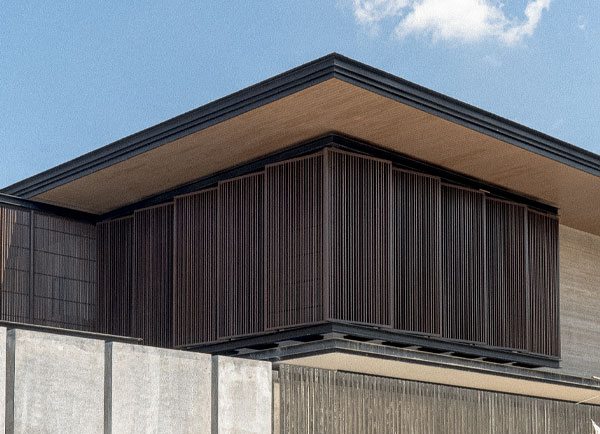
ReHolz is created to work across facade, wall cladding, ceiling and architectural details where precision, consistency, and durability are essential.
Material Composition and System Thinking
ReHolz is a sustainable architectural material made from rice husk, designed for structural stability, practical application, and long-term performance.
Pffering dimensional stability, resistance to weather exposure, and adaptability to different detailing conditions, ReHolz becomes a bridge between natural material expression and engineered reliability.
Surface as Performance
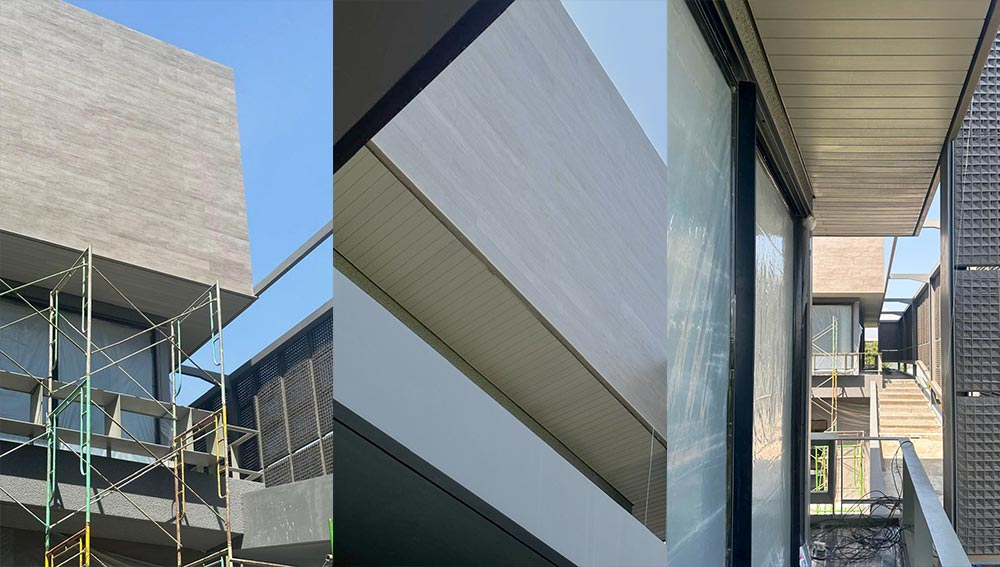
In high-use environments commercial building, public spaces, and large scale developments the finishing layer is subject to continuous interaction.
Long-term material performance matters more than initial appearance.
Surface durability, color stability, low maintenance requirements, and ease in installation males ReHolz a frontrunner architectural finishing. It is a protective and performative interface, rather than a decorative afterthought.
Integration with Construction Workflow
A finishing material is only as effective as its integration on site.
ReHolz is thoughtfully designed to support fabrication processes, installation systems, and seamless coordination with other building materials throughout construction. From factory production to on-site installation, it enables a coordinated workflow that brings design intent into execution. From factory production to on-site installation, the material operates within a coordinated workflow, aligning design intent with execution.
Longevity as a Design Parameter
Architecture is increasing evaluated not only by how it looks at completion, but by how it performs over years of use.
As a non-structural material, ReHolz contributes to this longevity by :
- Maintaining visual and physical consistency
- Reducing the need for frequent replacement of refinishing
- Supporting sustainable practices through durability and extended life cycle
It allows the finishing layer to remain relevant not just handover, but throughout the building’s lifespan.
Beyond Structure, Within Architecture
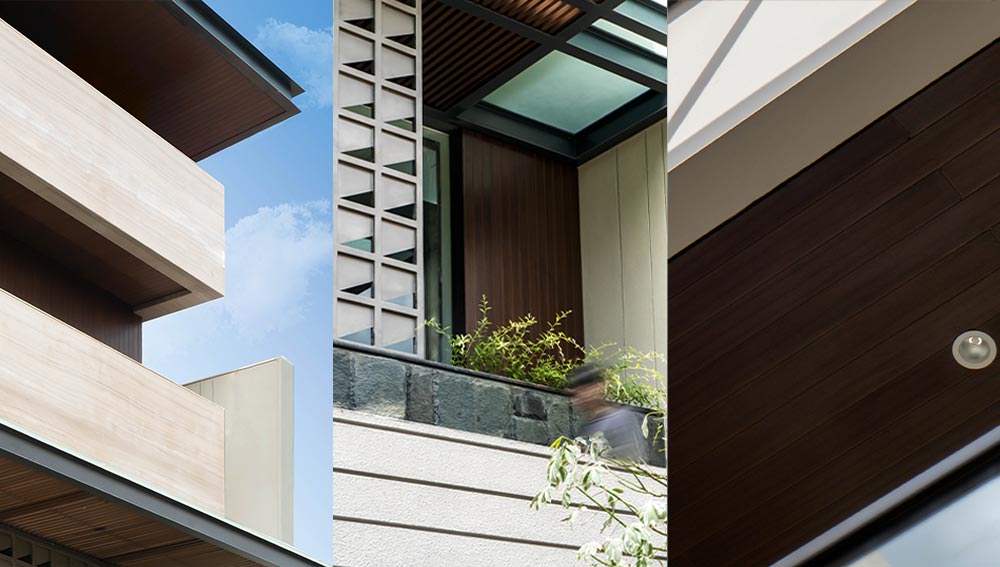
ReHolz shapes how people experience structure. It works at the intersection of visible design, material interaction, and long-term performance.
As architecture continues to demand higher levels of durability, clarity, and responsibility, non-structural materials take on a more critical role.
ReHolz responds to this shift as a finishing system valued not only for its surface, but for how it performs, adapts, and endures within architecture.
Share Article
See other article
From Design Intent to Built Detail
Material selection is an important moment in architecture, but it is rarely the final decision. Once a material is specified,…
Facade Design in Contemporary Architecture II: A Built of Character
A facade is often the first layer through which architecture is experienced. Today, however, it is no longer simply a…

Material Basic: Beyond Wood
Why Rice Husk Composite is Redefining Exterior Materials Wood has long been one of architecture’s most enduring materials. Its natural…